Foreign businesses entering Malaysia often focus first on incorporation, hiring, and operations, but tax planning needs attention just as early.
The Malaysian tax system affects how a business is structured, what registrations may be required, and what compliance responsibilities may follow after market entry.
Getting clear direction at the start can reduce delays, prevent costly mistakes, and make expansion plans easier to manage.
Many foreign companies speak to Amaze Advisory early to understand their tax position before moving ahead with setup in Malaysia.
How the Malaysian Tax System Applies to Foreign-Owned Companies
Tax Type | Description | Key Considerations |
Corporate Tax | 24% standard rate for foreign-owned companies and non SME resident companies. 15%/17%/24% for SME resident companies. | Tax filing required within 7 months of financial year-end. |
Withholding Tax | Applies to non-resident service providers (10%-15%). | Must be remitted to LHDN within 1 month. |
Sales & Service Tax (SST) | 8% service tax; 5%-10% sales tax. | Applies to businesses in taxable categories. |
Personal INcome Tax | 0%-30% for residents; 30% flat for non-residents. | Employees and directors must register with LHDN. |
Real Property Gains Tax (RPGT) | 10 – 30% for foreign investors disposing of property. | Tax applies within 5 years of acquisition. |
Stamp Duty | 0.3% on shares, 1%-4% on property. | Taxed on legal transactions. |
Tax Incentives | Various benefits for manufacturing, digital, and export-driven industries. | Requires approval and application. |
The Malaysian tax system applies to foreign-owned companies according to the business structure, local presence, and activities carried out in Malaysia.
Tax obligations may start to become relevant once the business begins operating or earning income in the market.
Early tax review can support better decisions on setup, compliance scope, and operations in Malaysia.
Speak to Amaze Advisory to review your tax setup before entering the Malaysian market.
Malaysia Corporate Tax: What Foreign Companies Should Plan Early
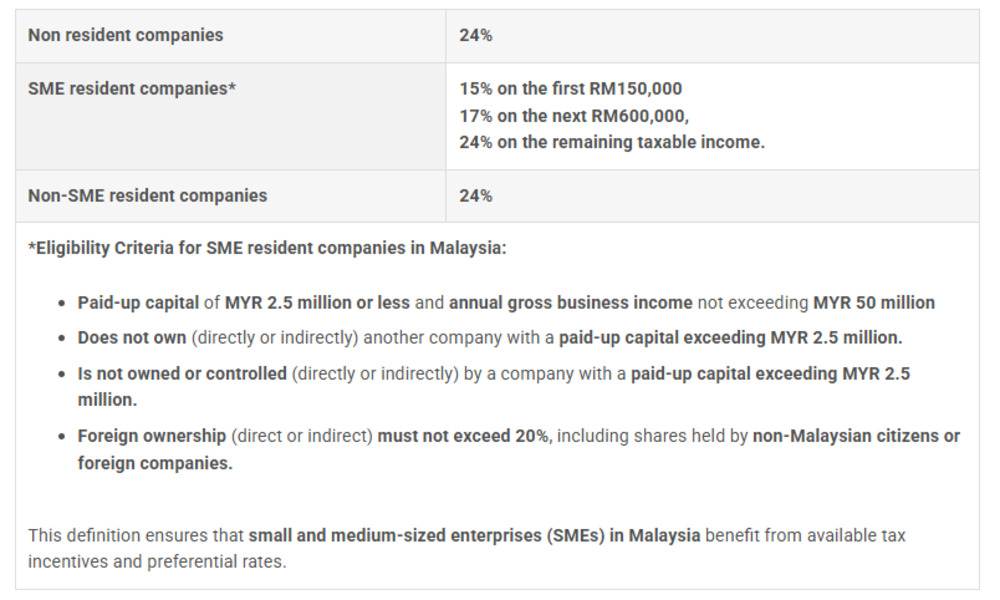
Malaysia corporate tax should be reviewed early because the tax position of a foreign-owned company can be affected by how the business is set up and how it plans to operate in Malaysia. This can influence the level of tax exposure and the compliance responsibilities that follow.
Before moving ahead, foreign companies usually need to look at key factors such as the business structure, source of income, and planned activities in Malaysia. These points can shape how the company is taxed and what needs to be prepared.
Getting this sorted earlier can reduce the risk of delays, added costs, or changes later after the business is already in motion.
Understanding Malaysia SST and When It Applies to Your Business

SST can become relevant when a foreign company starts supplying taxable services in Malaysia and reaches the required threshold. It may not apply to every business straight away, but it should still be reviewed early during market entry planning.
SST exposure is linked to the type of services provided and the scale of business activity in Malaysia. Some companies assume this can be dealt with later, but delays can create added compliance pressure once operations are already running.
Foreign businesses usually need to check whether their planned activities fall within the scope of SST, when registration may be required, and what this could mean for pricing, invoicing, and ongoing reporting.
Looking into this earlier can make the setup process smoother and reduce the risk of issues appearing after the business has already started operating.
5 Key Tax and Compliance Areas Foreign-Owned Companies Should Prepare For

Before operations begin, foreign companies usually need to review several tax and compliance areas in Malaysia. Looking at these earlier can make planning easier and reduce the risk of missing important obligations later.
1. Corporate tax filing requirements
The company may need to prepare for tax filing obligations based on its structure and business activities in Malaysia.
2. SST registration
SST may need to be reviewed if the business is providing taxable services and reaches the relevant threshold.
3. Withholding tax exposure
Cross-border payments can trigger withholding tax obligations depending on the type of payment involved.
4. Transfer pricing considerations
Related-party transactions may require proper documentation and review as the business grows.
5. Ongoing reporting responsibilities
Regular compliance work may be needed after the business starts operating, not only during setup.
Reviewing these areas can give foreign companies a clearer view of what needs to be prepared before moving further into the Malaysian market.
Reach out to Amaze Advisory to get clarity on your tax obligations before registration or hiring begins.
5 Common Tax Mistakes Foreign Businesses Make in Malaysia

Some tax issues only surface after the business has already started operating, which can make them harder and more costly to fix. A number of foreign companies run into problems because certain tax obligations were not reviewed early enough.
1. Setting up the business before reviewing the tax position
Some companies move ahead with incorporation first and only look at tax later, which can lead to adjustments after the structure is already in place.
2. Overlooking SST exposure too early
A business may assume SST does not apply at the start, then realise later that registration or reporting needs attention.
3. Missing withholding tax considerations
Cross-border payments are sometimes made without reviewing the related tax treatment, which can create issues later.
4. Applying home country assumptions to Malaysia
Tax treatment in Malaysia may differ from what the business is used to in another market, especially for foreign-owned structures.
5. Separating tax planning from payroll, accounting, and business setup
When these areas are handled in isolation, gaps can appear and make compliance harder to manage.
Leaving these issues unchecked can create avoidable pressure once the business is already in motion.
Amaze Advisory’s Tax Support for Foreign Business Setup in Malaysia

Amaze Advisory’s corporate business solutions support foreign companies that need clearer direction on tax matters before and during business setup in Malaysia.
Our tax compliance services include reviewing the tax position of the business, identifying possible compliance obligations, and helping companies prepare for tax matters that may affect operations after entry.
- tax review before incorporation of company in Malaysia
- guidance on tax obligations linked to the planned business structure
- SST review based on business activities in Malaysia
- withholding tax assessment for cross-border payments
- tax advisory support aligned with accounting outsourcing, business setup, and payroll outsourcing in Malaysia
With a more coordinated approach, foreign companies can move ahead with better clarity on what needs attention and what should be prepared early.
Plan Your Malaysia Expansion with the Right Tax Structure
Tax planning can shape the way a foreign business enters Malaysia, especially in areas such as compliance scope, business structure, reporting responsibilities, and operational readiness.
An early review through Amaze Advisory can reduce unnecessary delays, unexpected tax issues, and later adjustments. Better tax alignment can also support a smoother path into the Malaysian market.
Contact Amaze Advisory to discuss your tax position, compliance requirements, and business setup plans in Malaysia.
Disclaimer: This article is provided for general informational purposes only and does not constitute professional advice; readers should seek advice from their own accountant or adviser, and Amaze Advisory Global Sdn. Bhd. accepts no responsibility or liability for any reliance placed on this information.
Frequently Asked Questions
Foreign companies commonly review corporate tax, SST, withholding tax, and other compliance obligations linked to their business activities in Malaysia.
No, SST registration depends on the type of taxable services provided and whether the business reaches the required threshold.
Malaysia corporate tax is generally 24%, though the actual tax position depends on the business structure and operations in Malaysia.
An early tax review can reduce the risk of delays, restructuring, and compliance issues after the business setup is already in place.
Yes, certain cross-border payments may trigger withholding tax obligations depending on the nature of the payment.
Amaze Advisory supports foreign companies with tax review, SST assessment, withholding tax considerations, and tax planning linked to business setup in Malaysia.